IKEA Remix

Tracing how canonical modernist ideas were softened, flattened, disputed, and sold to everyone.

IKEA piece

BAGGBODA side table

2024 reissue · Karin Mobring

Source
IKEA BAGGBODA side table in white with a tubular steel frame

Referenced design

Laccio table

1925 · Marcel Breuer

Source
Marcel Breuer's Laccio table with chrome tubular legs and a rectangular top

In the 1900s, Tubular steel was being used commerical applications thanks to the industrial revolution, which made bending steel tubes into various shapes easy. It was Marcel Breuer who brought this innovation to furniture when he was inspired by the lightness and strength of bicycle handlebars.

BAGGBODA itself is a reissue of

https://www.moma.org/collection/works/2851
IKEA piece

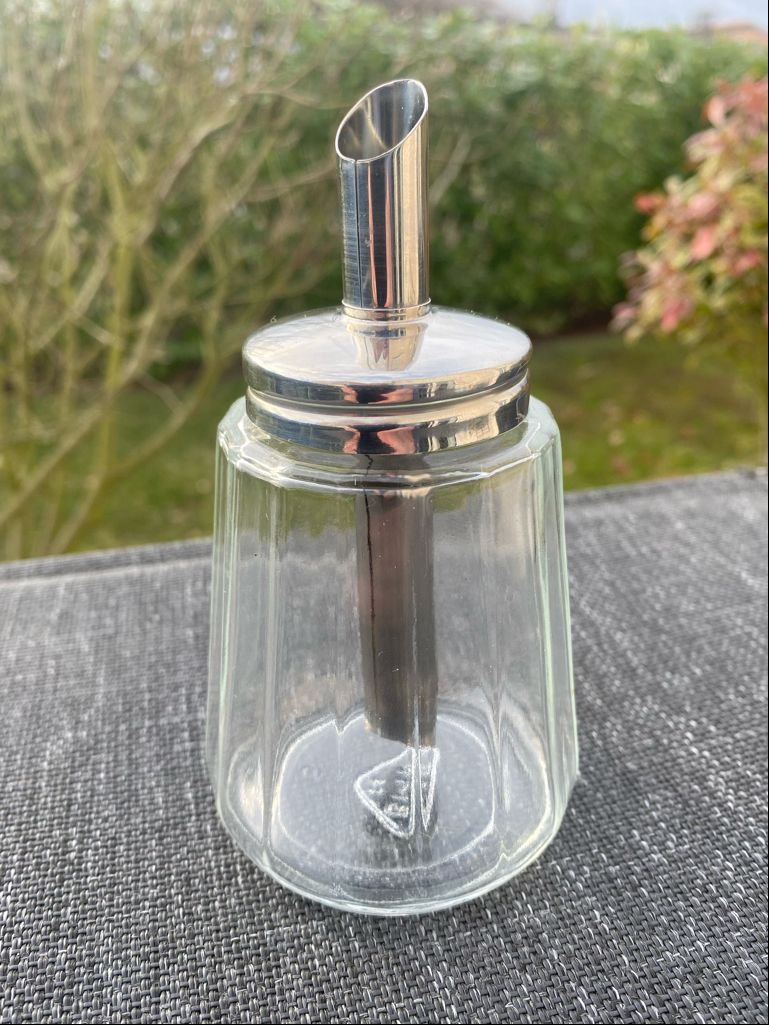
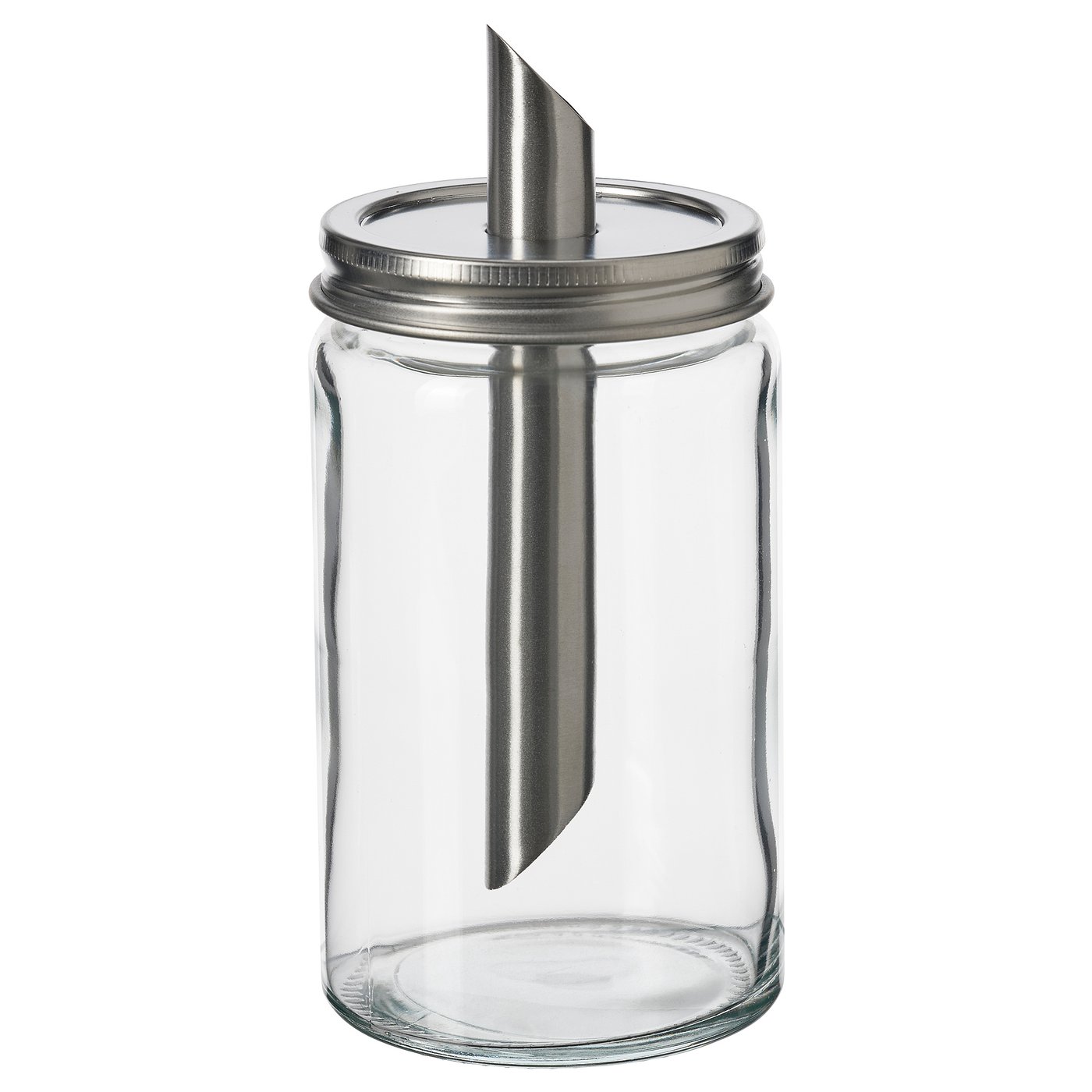
CITRONHAJ sugar shaker

2023 · Friso Wiersma

Source
IKEA CITRONHAJ sugar shaker made from glass with a stainless steel cap

Referenced design

Sweet Henry sugar dispenser

1956 · Heinrich Kurz

Source
Historic Sweet Henry sugar dispenser photographed by Hanau museums

The visual match is strong because the task is so specific: a refillable glass vessel that stays legible on the table and dispenses sugar through a perforated steel top.

Hanau's museum record makes the historical side more concrete than usual. Instead of a vague design myth, the note can point to a named inventor and a local industrial story in Windecken.

IKEA piece

KORKEN bottle with stopper

Current range · IKEA of Sweden

Source
IKEA KORKEN clear glass bottle with swing-top stopper

Referenced design

Hutter stopper system

1893 patent · Karl Hutter

Source
Historic swing-top bottle closure associated with the Hutter patent system

The Hutter reference needs careful wording. KORKEN is not a reproduction of one canonical bottle so much as a retail continuation of the clamp-and-gasket system that spread through bottling culture after the late nineteenth century.

That makes the visual claim weaker but the design-history claim stronger. The mechanism is the real through-line here, not the exact silhouette of a single vessel.

IKEA piece

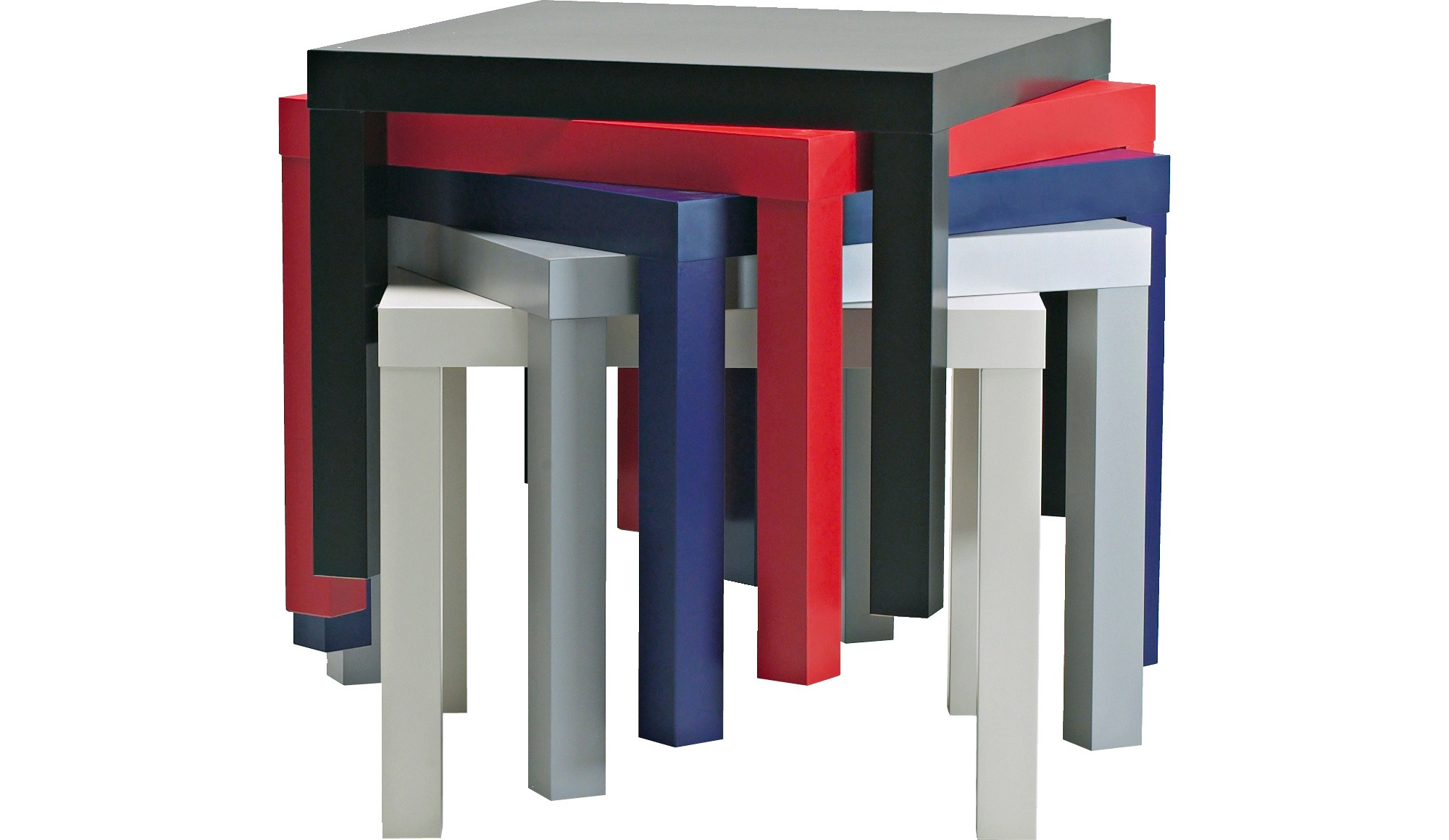
LACK side table

1979 · IKEA of Sweden

Source
Historic IKEA LACK side table in white from IKEA Museum

Referenced design

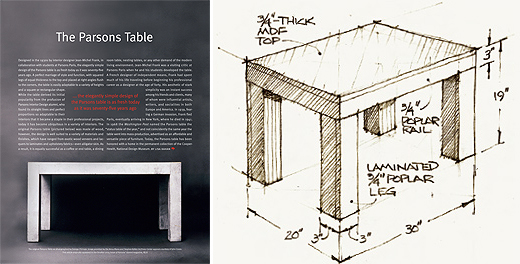
Parsons table

1930s · Jean-Michel Frank / Parsons lineage

Source
Historic Parsons table from The New School history project

Part of LACK's power is how little it tries to say. The Parsons table already proved how compelling pure top-and-leg geometry could be when decoration was stripped away.

IKEA's move was economic instead of formal. LACK keeps the archetype and changes the construction, scale, and price until the once-elite idea feels generic and everyday.

IKEA piece

OMAR shelving unit

Current range · IKEA of Sweden

Source
IKEA OMAR chrome wire shelving unit

Referenced design

Super Erecta shelving

1969 · Metro

Source
Metro historical graphic referencing Super Erecta shelving

The wire shelf reads almost anonymous now because it became such a successful industrial standard. That anonymity is exactly why it matters: OMAR feels less like a single invention than a domestic continuation of an established system.

This entry is useful for showing lineage rather than controversy. The IKEA move is to reframe industrial infrastructure as approachable home storage without changing its core grammar very much.

IKEA piece

PRODUKT milk frother

Current range · IKEA of Sweden

Source
IKEA PRODUKT handheld milk frother in black

Referenced design

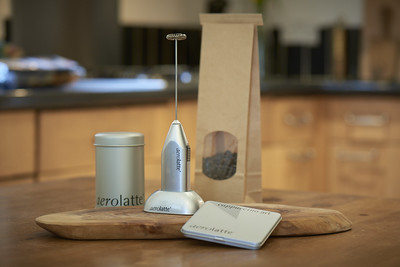
Original steam-free milk frother

1999 · Aerolatte founders

Source
Aerolatte handheld milk frother in use

This is not about ornament so much as category transfer. Aerolatte helped define the battery-powered handheld frother as a modern kitchen gadget, and IKEA made the idea feel generic and inevitable.

That pattern repeats across the archive: once a specialist or branded object proves itself, IKEA often returns with a flatter, cheaper, less ceremonious version of the same task.

IKEA piece

IKEA PS LÖMSK swivel armchair

2003 · Monika Mulder

Source
IKEA PS LÖMSK swivel armchair with a white shell and red interior

Referenced design

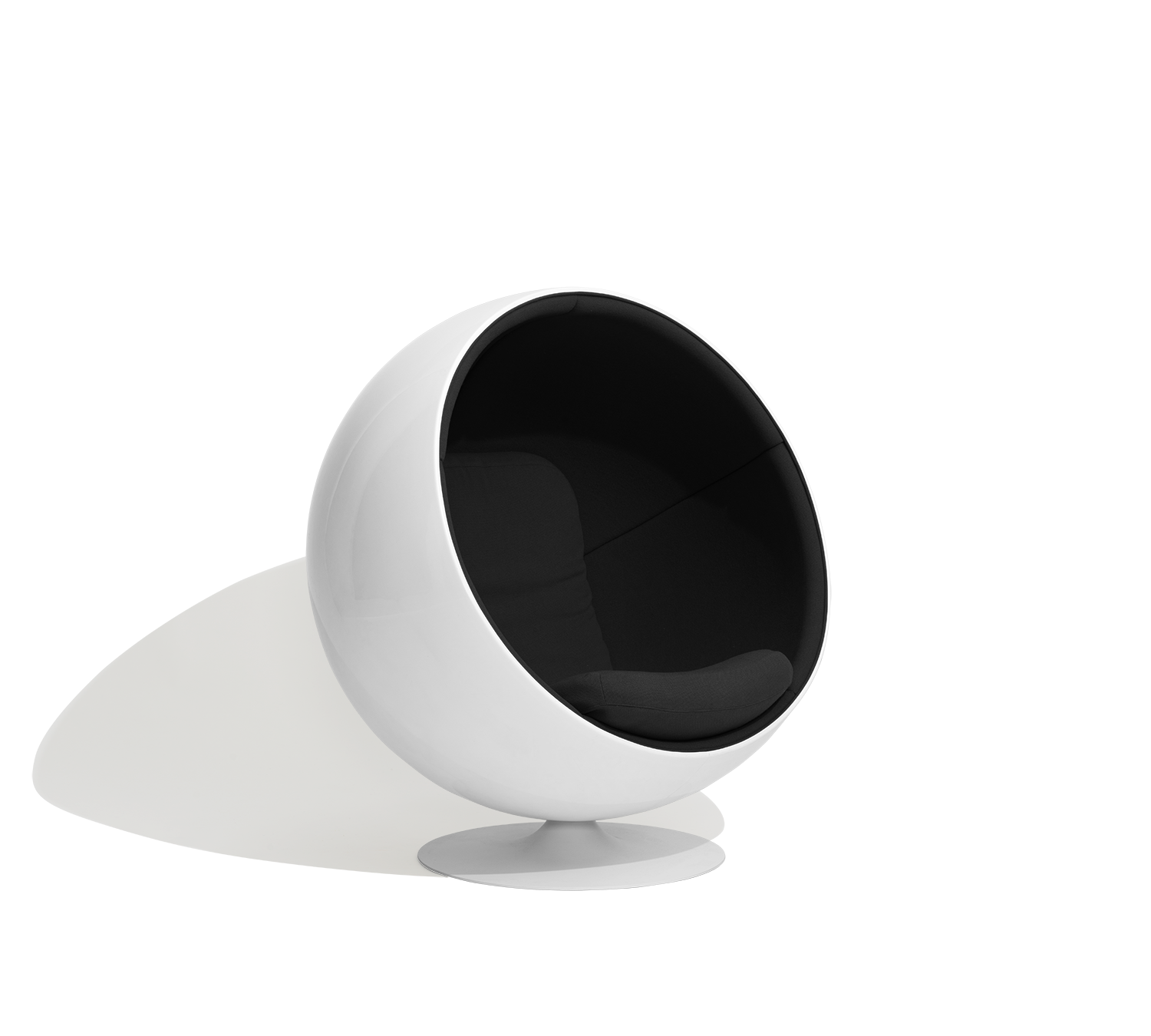
Ball Chair

1963 · Eero Aarnio

Source
Eero Aarnio Ball Chair in white with a bold colored interior

Both chairs work by turning seating into a room within a room. Aarnio's fiberglass sphere is the more radical statement, but PS LÖMSK clearly borrows the appeal of a chair that encloses and muffles.

This remains a resemblance argument rather than a documented copying claim. The value of the comparison is formal: how an iconic 1960s pod-chair idea gets reframed for IKEA's family-oriented design language.

IKEA piece

REGOLIT pendant lamp shade

Current range · IKEA of Sweden

Source
IKEA REGOLIT hand-made white paper pendant lamp shade

Referenced design

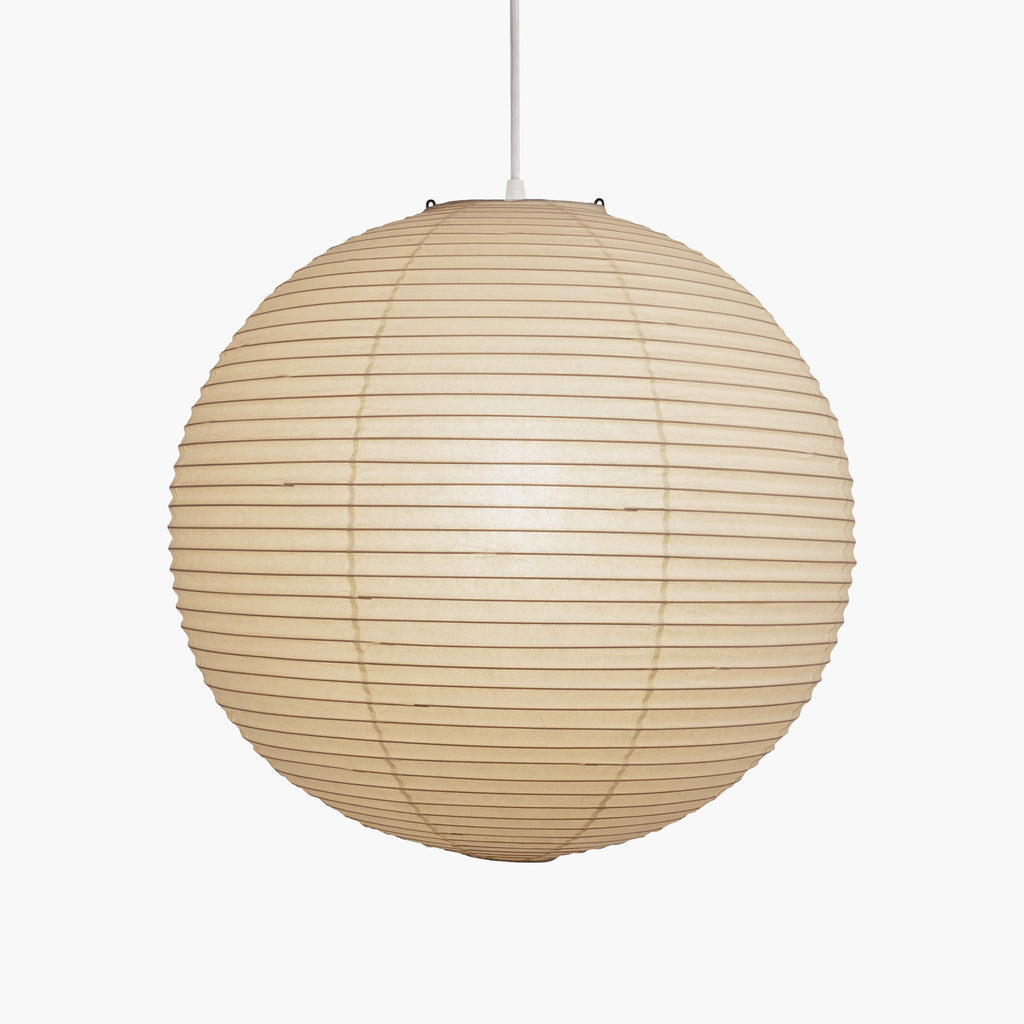
Akari 45A

1951 · Isamu Noguchi

Source
Isamu Noguchi Akari 45A paper lantern pendant

Noguchi's Akari series turned the paper lantern into a modern sculptural object. REGOLIT borrows that same softness-in-structure effect and makes it feel ordinary enough for a casual IKEA basket add-on.

There is no primary source tying REGOLIT directly to Akari, so the wording stays careful. The point is how thoroughly Noguchi's lantern vocabulary entered mass retail.

IKEA piece

SKÅDIS pegboard

Current range · Eva Lilja Löwenhielm

Source
IKEA SKÅDIS white pegboard wall organizer

Referenced design

Uten.Silo

1969 · Dorothee Becker

Source
Dorothee Becker's Uten.Silo wall-mounted organizer in white plastic

Uten.Silo is memorable because it makes storage look composed rather than hidden. SKÅDIS changes the construction logic, but it still occupies the same wall-mounted, highly legible territory.

That overlap matters because the conversation here was not only visual. Public criticism around the pegboard concept gives this pairing a sharper evidentiary edge than the softer formal echoes elsewhere on the site.

IKEA piece

TERTIAL work lamp

Current range · IKEA of Sweden

Source
IKEA TERTIAL articulated work lamp in dark gray

Referenced design

Original 1227 desk lamp

1935 · George Carwardine

Source

Archival source

Original 1227 desk lamp

Clean product photography is still being sourced for this side of the comparison.

This is best read as category inheritance rather than a one-object accusation. Carwardine's lamp solved the mechanics of adjustability so effectively that the design became a template for decades of task lights.

TERTIAL keeps that grammar but strips it down into IKEA's price point and materials. The resemblance matters historically even when the claim is broader than direct copying.